
Beyond the Overwater Bungalows: The Ultimate Maldives Travel Guide. The Maldives. Just hearing the name probably conjures up images of floating breakfast trays, sprawling overwater villas, and water so impossibly blue it looks like a glitch in reality. And to be fair, it is all of those things. It’s undeniably one of the most visually stunning places on the planet.
But if you restrict yourself entirely to the pristine, manicured borders of a single luxury resort, you are missing out on the actual beating heart of this vibrant archipelago. The Maldives is a fascinating nation of 1,192 coral islands grouped into 26 natural atolls, each offering a unique slice of paradise, rich history, and staggering marine magic.
Whether you are a history buff, a hardcore underwater explorer, or just someone who desperately needs a tropical reset, here are the absolute best places to visit in the Maldives to get the full, unfiltered experience.
1. Malé City: The Bustling Cultural Core
Most travelers touch down at Velana International Airport and immediately hop on a seaplane or speedboat to whisk them away to their private island. Do yourself a favor and spend at least a day in Malé. It is densely populated, a little chaotic, and wonderfully authentic—a sharp contrast to the serene resorts.
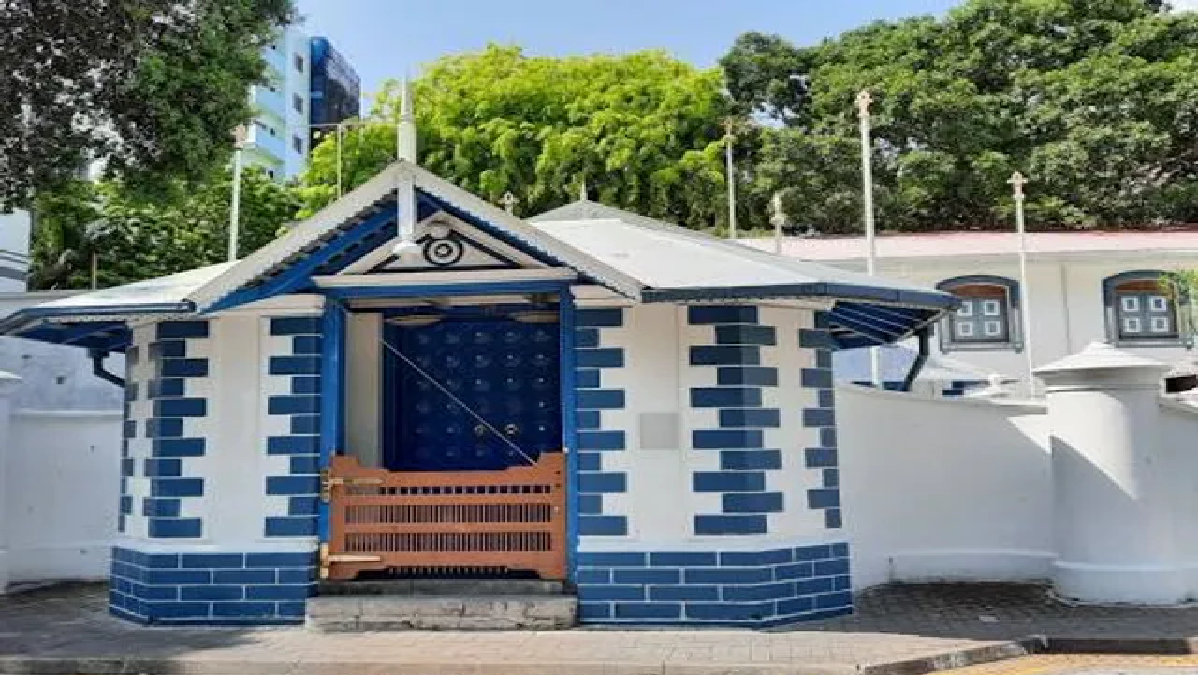
- Medhu Ziyaaraiy: Start your cultural deep dive right here. Tucked away next to Muliaage (the official residence of the President), this modest but deeply significant shrine is the tomb of the Moroccan scholar Abu al-Barakat Yusuf al-Barbari. According to local lore, he is the man responsible for introducing Islam to the Maldives in 1153 AD. It’s a peaceful spot in the heart of the capital, offering a quiet moment of reflection away from the buzzing scooters.
- Hukuru Miskiy (Old Friday Mosque): Just across the street from Medhu Ziyaaraiy, you’ll find the oldest mosque in the country, built in 1656. What makes it spectacular? It is constructed entirely from intricately carved coral stone. The craftsmanship is absolutely staggering, proving that the Maldivians have been masters of their environment for centuries.
- The Local Markets: Head over to the Malé Fish Market and the nearby Produce Market. Watch the day’s catch—often massive yellowfin tuna—being hauled in from the dhonis (traditional boats) and expertly filleted. Grab some fresh local bananas, a handful of fiery Maldivian chilies, or a Kurumba (young coconut) to sip while you walk.
2. Maafushi: The Pioneer of Local Island Tourism
A little over a decade ago, visiting the Maldives on a budget was essentially a myth. Then came Maafushi. Located in the South Malé Atoll, this island pioneered the local guesthouse industry, opening the doors of the Maldives to backpackers and budget-conscious travelers.
- The Guesthouse Culture: Instead of a $1,000-a-night resort, you can find charming, locally-run guesthouses for a fraction of the price. The best part? Your money goes directly into the local economy, supporting Maldivian families rather than international hotel chains.
- Affordable Excursions: Maafushi acts as the perfect base camp. You can easily book cheap daily excursions straight from the main street, including nurse shark snorkeling trips, sandbank picnics, and sunset dolphin-watching cruises.
- Bikini Beach: Because the Maldives is a strict Islamic nation, swimwear is generally restricted on public local island beaches. However, Maafushi (like most guesthouse islands now) has a designated, screened-off “Bikini Beach” where tourists can lounge and swim comfortably.
3. Baa Atoll: The UNESCO Biosphere Reserve
If your primary goal for visiting the Maldives is to see marine life, Baa Atoll should be pinned at the absolute top of your itinerary. The entire atoll is designated as a UNESCO Biosphere Reserve, meaning its coral reefs and marine habitats are heavily protected and thriving.
- Hanifaru Bay: This is the undisputed crown jewel of Baa Atoll. Between May and November, the bay acts as a massive natural funnel for plankton. This seasonal buffet attracts hundreds of manta rays and a handful of gentle, massive whale sharks. Snorkeling here during a “feeding frenzy” is like swimming inside a nature documentary. To protect the animals, scuba diving is strictly forbidden here—snorkeling only.
- Sustainable Luxury: Many of the resorts situated in this area employ full-time resident marine biologists and run extensive coral propagation programs. If you want a luxury stay with an eco-conscious footprint, this is the atoll to choose.
4. Ari Atoll: The Diver’s Paradise
Divided into North and South Ari Atoll, this expansive region is legendary among the global scuba diving community. While Baa Atoll is famous for its seasonal gatherings, Ari Atoll offers incredibly reliable, year-round pelagic encounters.
- Whale Shark Spotting: The waters around Maamigili in the South Ari Atoll are one of the very few places in the world where whale sharks can be spotted all year long. Swimming alongside the largest fish in the ocean is a profoundly humbling experience that you won’t soon forget.
- Hammerhead Point: For advanced divers, an early morning drift dive at Rasdhoo Madivaru (in North Ari Atoll) offers the thrilling, adrenaline-pumping chance to see schooling hammerhead sharks emerging from the deep blue.
- Underwater Dining: If you prefer to stay dry while marveling at the ocean, Ari Atoll is home to several resorts boasting underwater restaurants. Dining on world-class cuisine five meters below the surface while reef sharks and eagle rays glide over your glass ceiling is a quintessential luxury Maldives flex.
5. Dhigurah: The Long Island
If Maafushi feels a bit too crowded for your taste but you still want a local island experience, head to Dhigurah in the South Ari Atoll.
- The Geography: Dhigurah translates to “Long Island,” and it lives up to the name. It boasts a spectacular, seemingly endless sandbank at its tip that tapers off into the turquoise lagoon. The interior of the island is heavily forested, offering a much greener, jungle-like vibe compared to other local islands.
- The Wildlife: Because it’s located in the South Ari Atoll, it is an incredible launchpad for whale shark and manta ray safaris, without the luxury resort price tag.
6. Vaadhoo Island: The Sea of Stars
Nature has a way of showing off, and nowhere is this more apparent than on the beaches of Vaadhoo Island in the Raa Atoll.
- Bioluminescent Phytoplankton: Depending on the season and the phase of the moon, the shoreline here glows an ethereal, neon blue. This famous “Sea of Stars” phenomenon is caused by bioluminescent phytoplankton reacting to the movement of the crashing waves. Walking along the wet sand literally leaves glowing footprints behind you. While it’s a natural phenomenon and can never be 100% guaranteed, late summer to the end of the year usually offers the highest chances of witnessing it.
Final Thoughts
The Maldives is so much more than a honeymoon cliché. It is a multifaceted destination where ancient coral-stone mosques share the same archipelago as futuristic underwater restaurants. Whether you are paying your respects at the historic Medhu Ziyaaraiy, drifting alongside a manta ray in Hanifaru Bay, or sharing a spicy mas huni (tuna and coconut) breakfast with locals, the magic of the Maldives lies in its beautiful contrasts. Pack your reef-safe sunscreen, leave your heavy shoes at home, and get ready to experience the true Indian Ocean.
Leave a Reply